








FREQUENTLY ASKED QUESTIONS
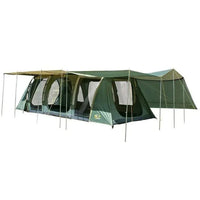
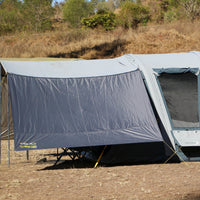
Chances are, your tent is not leaking; it's condensation. This usually occurs due to a temperature difference between the inside and outside of the tent. The best way to reduce condensation is by improving ventilation inside your tent. If your tent is leaking and you have tested and confirmed there is a hole, contact us for expert advice on how to fix it.
Move the zipper back to the beginning of the zipper tape and carefully work it back along the track. This usually reengages the teeth and restores proper function. If this does not fix the issue and there is clear damage or deformation in the zipper or zipper teeth, contact us for expert advice on how to fix it.
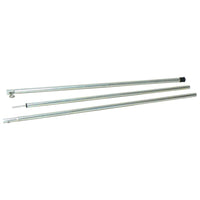
The most common cause of breakage is when poles are not fully inserted into the metal ferrules. As you set up your tent, double-check that each pole section is fully connected. Even slight separation can create strain that leads to breakage under tension.
Never pack your tent away while it is wet or damp. If you do, mould may form. If this happens, clean the affected area with a soft, clean cloth and plain water. Avoid using chemicals or harsh cleaners, which can damage the fabric.
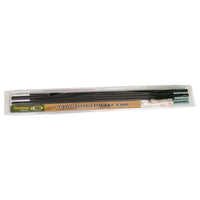
You can repair this yourself using a pole repair kit, available at most camping stores. First, remove the old shock cord. Then connect all the poles end to end to measure the full length. Cut a new piece of shock cord to about three-quarters of the length of the pole. Feed it through the pole sections and tie off both ends.
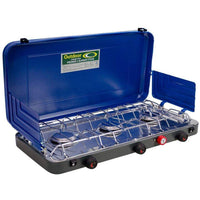
No. Do not cook or use any appliance that generates heat inside or near your tent. If you need lighting, use battery-powered lights only. These are safe and do not emit heat.
No. Aerosol sprays can damage the waterproof coating on your tent. If you need insect protection, use non-aerosol alternatives or apply spray away from your tent.
There is nothing worse than waking in the middle of the night on a deflated airbed. The most common cause of punctures is overinflation. When an airbed is pumped to a very firm setting, the increased pressure on the seams, especially when one or two people lie on it, can cause damage.
An airbed should only be inflated to the point where you can press down in the middle and nearly touch the ground. This might seem too soft, but once someone lies on it, it becomes very comfortable.
Temperature changes also affect air pressure. If your airbed is inflated during a cool morning and then left in a hot tent all day, the expanding air can increase internal pressure and split a seam. Conversely, when the temperature drops at night, the air contracts, making the bed feel like it has deflated slightly. In cooler conditions, you may need to add a little more air before sleeping.
Outdoor Connection airbeds are made with a heavier gauge PVC than many other brands, which helps strengthen the seams and reduce deflation risks.